The Subtle Power of Texture in Home Décor
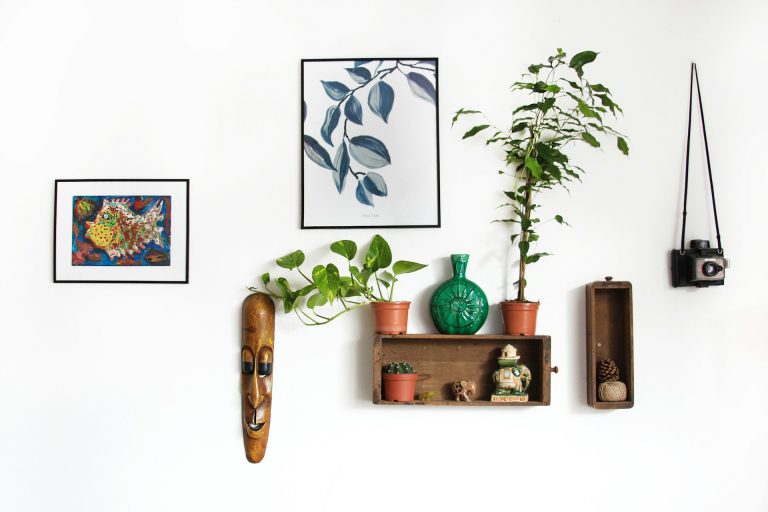
When it comes to decorating a home, people often think first about color palettes, furniture layouts, or wall art. While these elements are undeniably important, there’s another layer of design that works quietly behind the scenes yet holds remarkable influence: texture. Texture can turn a flat, lifeless room into a rich, inviting space. It adds depth and dimension without the need for bold patterns or loud colors. Whether it’s the soft touch of a woven throw, the cool sleekness of a marble countertop, or the rustic appeal of natural wood, textures speak to our senses in a way visuals alone cannot.
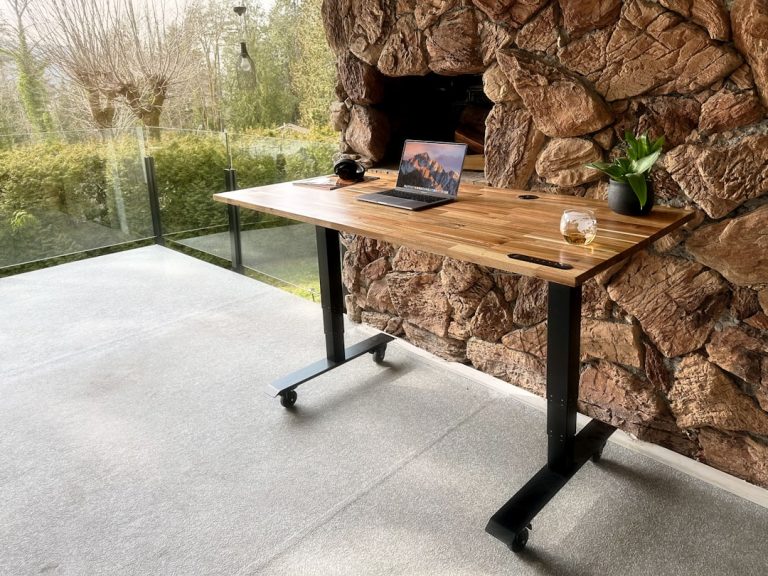
Using different textures throughout your home creates contrast and balance. A velvet sofa against a jute rug, smooth ceramic beside rough stone, or crisp linens paired with plush cushions—all these combinations create harmony and interest. Texture isn’t limited to fabrics either. Think of matte versus glossy finishes, rough brick walls paired with glass accents, or layered window treatments that shift light as the day progresses. These subtle details create a sensory experience that makes a space feel thoughtfully designed and emotionally warm.
Texture can also enhance a room’s personality and create a mood. A bedroom layered with soft textiles like cotton sheets, faux fur blankets, and tufted headboards creates a calming, restful environment. On the other hand, an industrial-style kitchen with concrete countertops, metal fixtures, and wooden shelves projects a clean, modern energy. These contrasting feelings are created not just through the look of the materials, but through the way they feel to the touch and how they play with light and space. Texture brings out the emotional side of interior design—it’s the part that makes a room feel cozy, alive, and deeply personal.
Seasonal decorating also finds strength in texture. During colder months, people naturally lean into heavier materials like wool, leather, or fleece. These not only provide warmth but also add visual weight to a room, making it feel more anchored and snug. As the seasons shift, lightweight fabrics such as cotton, linen, and rattan can refresh the look of your home while still offering that essential layer of tactile richness. Swapping out a few items like cushions, throws, or even a rug can completely transform a room’s atmosphere without changing its core layout or color scheme.
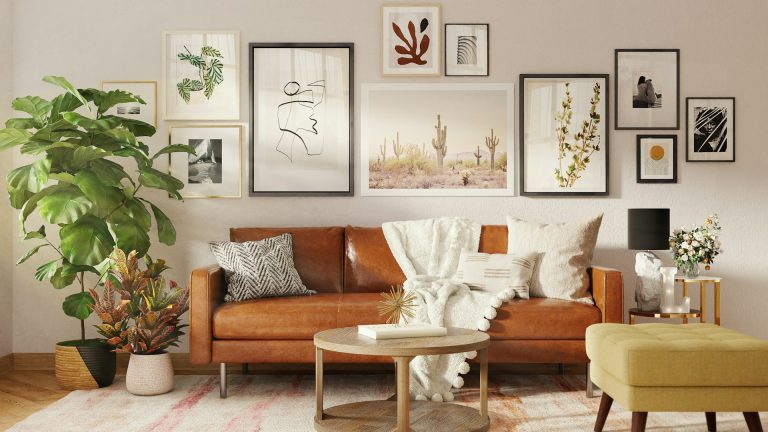
One of the best things about working with texture is that it invites experimentation. You don’t have to commit to a full remodel or expensive changes to make an impact. A single textured piece can change the way a room feels. Imagine a living room with sleek leather furniture, polished wooden floors, and smooth painted walls. It might look polished, but without the addition of a soft rug, a chunky knit blanket, or a couple of patterned cushions, it can feel a bit cold or unfinished. Just a few intentional changes can breathe life into the space.
Texture is also a way to bridge modern and traditional design. If your taste lies somewhere in between, mixing textures is a great strategy. The juxtaposition of sleek modern lines with aged or organic materials creates a balanced look that feels timeless yet current. A contemporary sofa can feel warmer when paired with a vintage quilt or a handcrafted side table. Texture becomes the connector, softening contrasts and adding continuity across different styles.
Ultimately, home décor is not just about what you see—it’s also about how you feel. Texture reminds us that design is more than just visual appeal; it’s a full sensory experience. It welcomes touch, interaction, and comfort. It makes a space livable, lovable, and uniquely yours. So the next time you’re decorating or refreshing a space, don’t just think about color or shape. Think about how each item feels, how it interacts with the things around it, and how it speaks to the soul of the room. That’s the subtle, powerful magic of texture.